Electric Guitars for Kids: A Complete Guide to the Top-8 Models for Young Players
Electric guitars for kids are a fantastic way to introduce children to music and help them develop creativity, coordination, and confidence. Modern kids’ electric guitars are lighter, more compact, and easier to play than ever before—without sacrificing sound quality or fun.
Whether your child is just starting out or already showing real interest in music, choosing the right electric guitar can make learning more enjoyable and motivating. From beginner-friendly short-scale models to stylish instruments inspired by classic designs, there’s an option for every age and skill level.
Helping Kids Enjoy Music Without Frustration: Useful Tips
Learning guitar should feel exciting, not overwhelming. The right setup and approach can make a big difference, especially for younger players.
First, choose the correct size. Full-size guitars are often too large for children, leading to poor posture and discomfort. Short-scale guitars (1/4, 1/2, or 3/4 size) are much easier for small hands to manage and help kids learn proper technique from the start.
Second, focus on comfort rather than volume. Kids don’t need powerful amplifiers. A small practice amp or headphone output is more than enough and keeps practice sessions family- and neighbor-friendly.
Third, keep things simple. Guitars with fewer controls and lighter strings are easier to understand and play. This allows children to focus on learning chords and melodies instead of struggling with setup.
Finally, encourage short, regular practice sessions. Electric guitars are especially motivating for kids because they sound exciting even at low volumes, helping them stay engaged and eager to play.
Main Advantages of Electric Guitars for Kids
Electric guitars designed for children offer several important benefits that make learning easier and more enjoyable.
One of the biggest advantages is playability. Shorter necks, lighter bodies, and thinner strings reduce finger strain and help kids press notes more easily. This builds confidence early on and reduces the risk of losing interest.
Another benefit is versatility. Electric guitars allow kids to explore different sounds—from clean tones to fun distortion—using simple effects or small amps. This keeps practice sessions exciting and encourages creativity.
Electric guitars are also quieter in practice situations. With headphones or low-volume amps, children can play without disturbing others, making it easier to practice regularly.
Finally, many kids’ electric guitars are designed with bold colors and cool shapes. A guitar that looks fun often motivates a child to pick it up more often.
Top-8 Electric Guitars Worth Considering This Year — From First Steps to Confident Beginners
1. Squier Mini Stratocaster
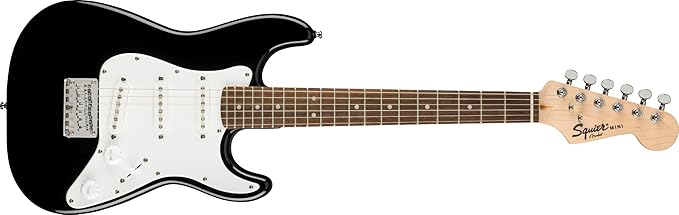
The Squier Mini Stratocaster is one of the most popular beginner electric guitars for kids. Its short scale and lightweight body make it comfortable for small players, while its classic Strat-style design feels like a “real” guitar.
Pros:
- Comfortable short-scale neck
- Classic design and solid build quality
- Great for beginners
Cons:
- Limited tonal range compared to full-size models
Ideal for children who want a real electric guitar feel in a smaller size.
This model features a 22.75-inch scale length, making it much easier for children aged 6–10 to reach frets comfortably. The neck profile is slim and smooth, which helps reduce hand fatigue during practice. Three single-coil pickups deliver bright, clear tones suitable for pop, rock, and basic blues. The guitar is well-balanced when seated or standing, and its familiar Stratocaster look often boosts motivation because kids feel like they’re playing a professional instrument.
To buy this product, click here.
2. Yamaha Pacifica PAC012
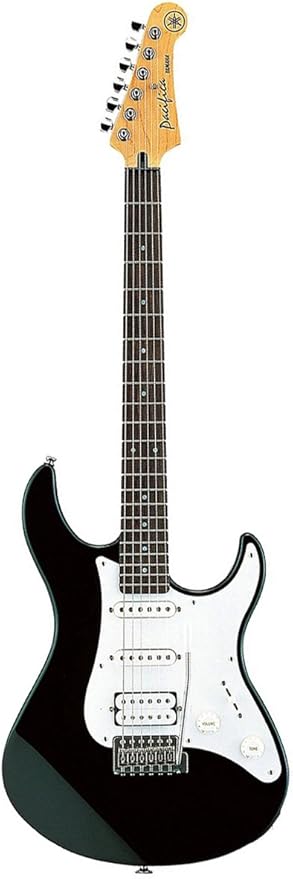
Yamaha is known for reliability, and this junior Pacifica model delivers excellent playability and sound. It’s slightly more advanced, making it suitable for kids who are serious about learning.
Pros:
- High build quality
- Smooth neck and stable tuning
- Versatile sound
Cons:
- Slightly higher price for beginners
A great choice for kids who plan to stick with guitar long-term.
The Pacifica PAC012 offers a longer-lasting learning platform thanks to its solid construction and dependable hardware. The humbucker–single–single pickup configuration allows children to explore different tones, from clean sounds to mild distortion. This guitar suits older kids (8–12+) or beginners who already show strong interest. Tuning stability is excellent, which means fewer interruptions during practice and lessons.
To buy this product, click here.
3. Jackson JS1X Minion
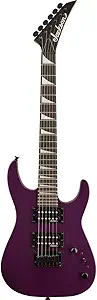
Designed for rock and metal fans, the Jackson JS1X Minion offers fast playability and an aggressive look that many kids love.
Pros:
- Slim neck for small hands
- Powerful pickups
- Cool, modern design
Cons:
- Not ideal for very young beginners
Perfect for kids who love rock and heavier music styles.
With its 22.5-inch scale length and slim neck profile, the JS1X Minion is ideal for kids who want speed and power. The dual humbuckers produce thicker, heavier tones that work well for rock and metal. This guitar is best suited for children aged 8–13 who already enjoy louder, more energetic music. Its sharp design often inspires confidence and excitement during practice.
To buy this product, click here.
4. Ibanez GRGM21 Mikro
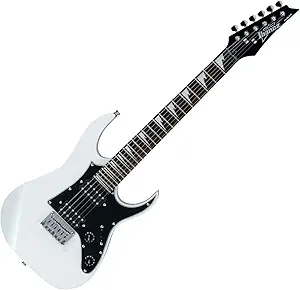
The Ibanez Mikro series is famous for comfort and speed. This model is excellent for children who want a professional feel in a compact instrument.
Pros:
- Excellent ergonomics
- Strong sound output
- Great for fast playing
Cons:
- Basic factory setup may need adjustment
A strong option for motivated young players.
The GRGM21 Mikro is widely praised for its smooth neck and lightweight body. It features humbucker pickups that deliver a powerful, balanced sound. The guitar is well-suited for kids transitioning from beginner to intermediate level. A professional setup can significantly improve playability, making this instrument feel surprisingly close to a full-size guitar.
To buy this product, click here.
5. Epiphone Les Paul Power Players
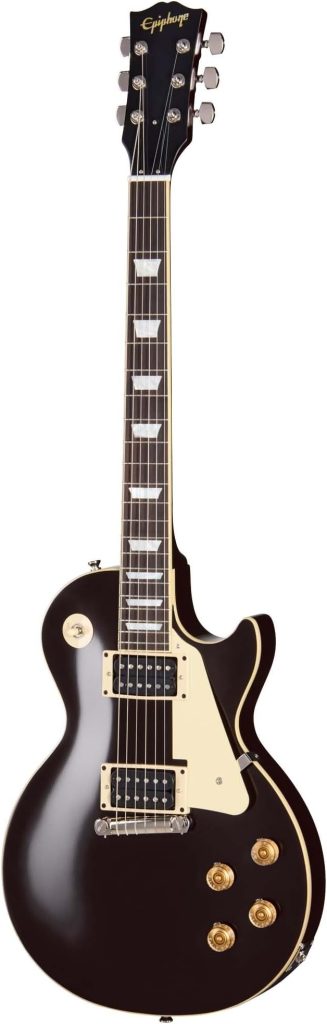
This model brings the iconic Les Paul style to a kid-friendly format. It feels solid and delivers a warm, rich tone.
Pros:
- Classic design
- Comfortable short scale
- Rich sound
Cons:
- Heavier than some competitors
Ideal for kids who love classic rock tones.
The Power Players Les Paul uses a reduced scale length while maintaining the signature Les Paul tone and appearance. Its dual humbuckers offer thick, warm sounds perfect for classic rock and blues. The slightly heavier body provides sustain but may be better for older kids (9–13). This guitar is a great choice for children inspired by legendary guitarists.
To buy this product, click here.
6. Loog Pro Electric
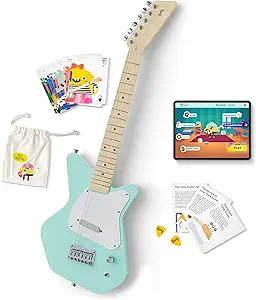
The Loog Pro Electric is designed specifically for children, featuring a simplified setup that makes learning easier.
Pros:
- Designed for education
- Lightweight and simple
- Encourages learning
Cons:
- Limited long-term versatility
Great for very young beginners and first-time players.
This guitar is ideal for children aged 6–8. Its simplified design reduces distractions and helps kids focus on chords and rhythm. The lightweight body makes it easy to hold, even for short practice sessions. While it may be outgrown sooner than other models, it excels as a first introduction to electric guitar.
To buy this product, click here.
7. Donner DST-100 Junior Kit
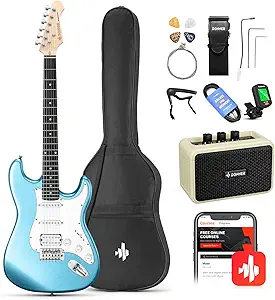
This Donner kit includes everything a child needs to start playing, making it a convenient and affordable option.
Pros:
- Complete beginner kit
- Good value for money
- Easy setup
Cons:
- Entry-level components
Best for parents looking for an all-in-one solution.
The kit typically includes a guitar, small amplifier, strap, cable, and tuner. This makes it especially convenient for beginners who don’t already own accessories. The guitar itself is lightweight and comfortable, suitable for kids aged 7–11. While the components are basic, they are perfectly adequate for learning fundamentals.
To buy this product, click here.
8. Gretsch G2210 Streamliner Junior Jet
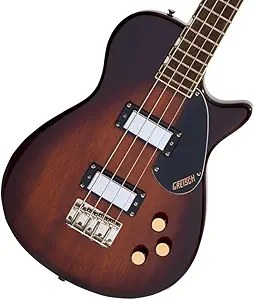
The Gretsch G2210 Streamliner Junior Jet is a scaled-down version of Gretsch’s classic design, offering stylish looks, comfortable playability, and surprisingly rich tone for its size. It’s perfect for kids who want a guitar that feels a bit more “grown-up” while still staying easy to play.
Pros:
- Classic Gretsch design
- Big, warm tone for its size
- Great feel and build quality
Cons:
- Slightly higher price than beginner “starter” models
A strong choice for kids ready to step up from entry-level guitars with a slightly more serious instrument.
The Streamliner Junior Jet features a 24-inch scale length, which is ideal for older kids (around 9–13+) who have developed enough hand strength and reach for a slightly larger guitar. Its Broad’Tron pickups deliver a fuller, more dynamic sound than many basic student guitars, making it a versatile choice across genres like rock, blues, and indie. The set-neck design and comfortable body shape help it feel balanced whether sitting or standing. While it’s slightly heavier than very basic kids’ guitars, its sound quality and build pedigree make it an excellent instrument that a child can grow with over several years.
To buy this product, click here.
How to Choose the Right Electric Guitar for a Child
Start with size. Younger children benefit most from 1/4 or 1/2-size guitars, while older kids usually do well with 3/4-size models.
Next, consider comfort and weight. A lighter guitar with a slim neck is easier to hold and play for longer periods.
Think about musical interests. Kids who love rock or metal may prefer guitars with humbuckers, while others may enjoy cleaner, brighter tones.
Finally, don’t overbuy. A beginner doesn’t need expensive features. The best guitar is one that feels comfortable, sounds encouraging, and inspires regular practice.
Frequently Asked Questions
What age is suitable for an electric guitar?
Most children can start around ages 6–8 with the correct size guitar.
Is electric guitar harder than acoustic for kids?
No. Electric guitars are often easier because the strings are lighter and require less finger pressure.
Do kids need an amplifier?
A small practice amp or headphone amp is enough for beginners.
Conclusion
Electric guitars for kids open the door to creativity, self-expression, and a lifelong love of music. From simple beginner models to stylish short-scale guitars, there’s an option for every child and every budget.
The best electric guitar is the one that fits your child’s hands, matches their musical interests, and makes them excited to play again tomorrow