A Complete Guide to the Top 8 Picks for Safe Listening, Learning & Entertainment
How Long Can Children Listen to Music Through Headphones?
A simple rule that works well for most kids is the 60/60 guideline: keep volume at about 60% of the device’s maximum and limit listening to 60 minutes at a time, then take a break. Short breaks give ears time to recover and help prevent listening fatigue.
Practical daily listening tips
- Use time blocks: Aim for 15–30 minute sessions for younger kids, 30–60 minute sessions for older kids, with breaks in between.
- Keep volume moderate: If you can hear the music clearly from a distance, it’s too loud. If your child needs to raise their voice to talk, the volume is likely too high.
- Prefer volume-limited headphones: Models capped around 85 dB reduce the chance of accidental over-loud listening.
- Adjust for noisy places: On planes, buses, or busy rooms, kids tend to increase volume. Noise-canceling or well-sealing over-ear headphones can help them listen comfortably at lower levels.
- Watch for warning signs: Ringing ears, muffled hearing after listening, or headaches are signs to lower volume and take longer breaks.
A simple takeaway
For everyday listening, moderate volume + regular breaks is the safest approach. If your child listens for longer periods (like travel or online learning), focus on lower volume settings and more frequent breaks to keep listening safe and comfortable.
Headphones for Kids
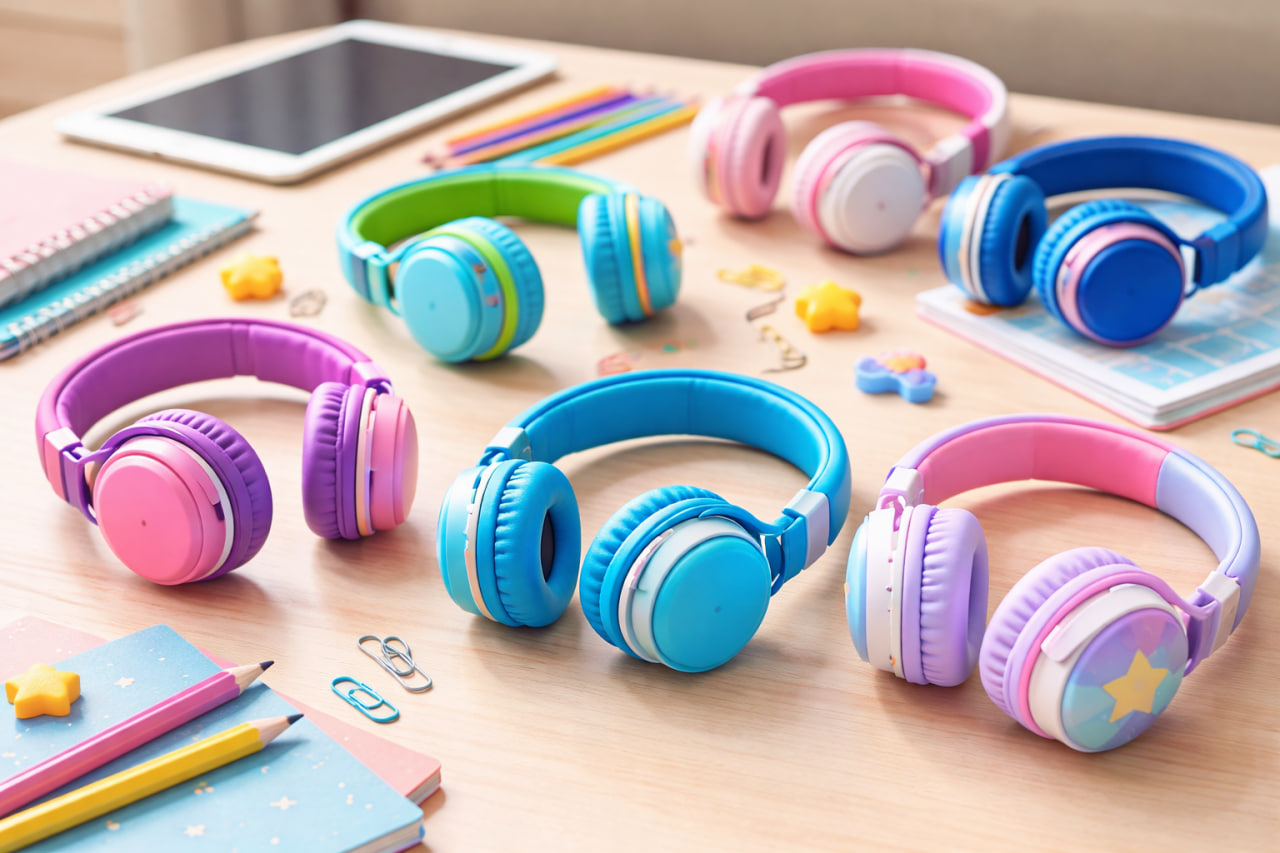
Choosing the right headphones for kids is about more than just fun colors and cool designs. Children’s headphones should prioritize safe volume limits, comfort, durability, and clear sound quality — whether they’re used for online learning, travel, gaming, or entertainment.
In this guide, we review 8 of the best headphones for kids, covering wired and wireless models designed with hearing safety and everyday practicality in mind.
1. Puro Sound Labs PuroQuiet — Premium Noise-Canceling Protection
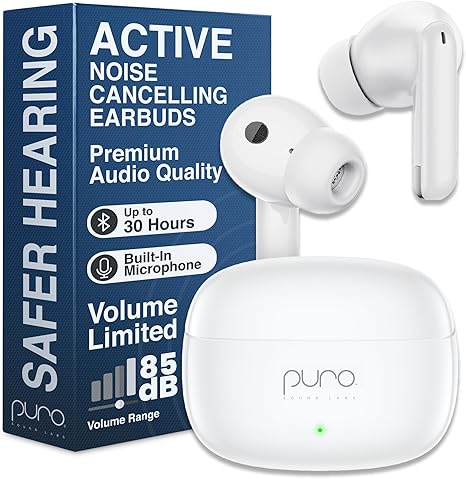
A high-end option that combines active noise cancellation (ANC) with safe listening technology.
Detailed Features & Specs:
- Bluetooth wireless connectivity with stable connection
- Active Noise Cancellation (ANC) to reduce ambient noise
- Volume limited to 85 dB to protect young ears
- Up to ~20–22 hours battery life on a single charge
- Foldable design and comfortable ear pads
- Built-in microphone for calls and online classes
Why it’s great:
Easy to use with a reliable Bluetooth connection, the PuroQuiet helps kids enjoy music, movies, and calls without needing to crank up the volume in noisy spaces. The ANC feature increases focus on content, and cushioned ear cups make them comfortable for long listening sessions — whether on a flight or during school lessons.
To buy this product, click here.
2. JBL JR460NC — Balanced Sound with Parental Control
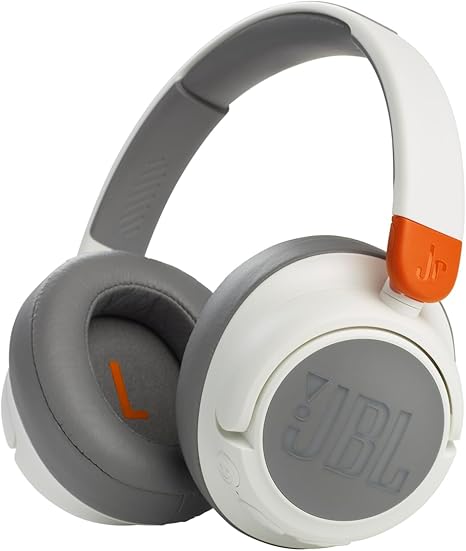
A trusted brand delivering solid audio quality with JBL Safe Sound and easy controls.
Detailed Features & Specs:
- Wireless Bluetooth connection (Bluetooth 5.0)
- Active Noise Cancellation to reduce background noise
- Volume limited to 85 dB, safeguarding hearing
- Up to ~20 hours battery life (30 h with ANC off)
- Simple kid-friendly controls and detachable cable
- Built-in microphone for calls or classes
- Detachable audio cable for wired use
Why it’s great:
The JBL JR460NC combines quality sound and noise cancellation with a safe listening cap, making it a great travel companion or daily use headset for school and play. Its lightweight design and intuitive controls are perfect for kids to operate independently.
To buy this product, click here.
3. BuddyPhones Explore+ — Budget-Friendly & Travel-Ready
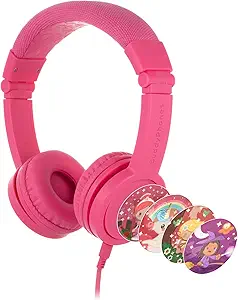
An affordable wired option built for simplicity, safety, and durability.
Detailed Features & Specs:
- Wired 3.5 mm connection — no batteries required
- Volume limited to ~85 dB for hearing safety
- Flat, tangle-resistant cable
- Flexible headband and padded earcups
- Lightweight and comfortable for smaller heads
- Extra stickers for personalization
Why it’s great:
The BuddyPhones Explore+ is a straightforward, dependable choice for younger kids or families who prefer the simplicity of wired headphones. They’re rugged and lightweight — ideal for travel, car rides, and everyday use — and the volume limiter helps prevent accidental exposure to loud sound.
To buy this product, click here.
4. LilGadgets Untangled Pro — Wireless Comfort for School & Home
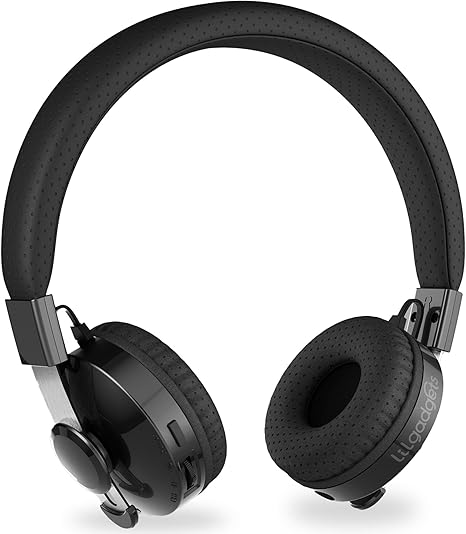
A wireless model with comfort and versatility in mind.
Detailed Features & Specs:
- Bluetooth wireless connection
- Adjustable headband and soft ear cushions
- Volume limit set at ~93 dB (optional safe mode)
- Up to ~12 hours of battery life
- SharePort technology for dual listening
- Built-in microphone for calls
Why it’s great:
The LilGadgets Untangled Pro supports wireless convenience and features a SharePort option that lets two pairs of headphones enjoy the same audio source — perfect for siblings or friends. The padded build and simple controls make them kid-friendly for streaming, chat, and school work.
To buy this product, click here.
5. iClever BTH12 — Durable & Adjustable for Growing Kids
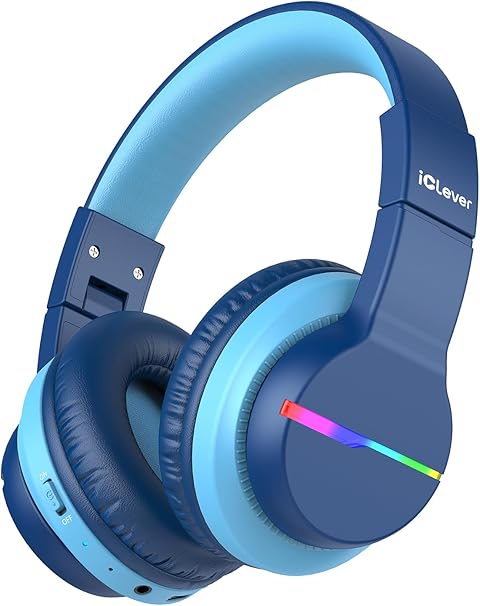
Designed to withstand everyday use, with safety and comfort in focus.
Detailed Features & Specs:
- Bluetooth wireless connectivity
- Volume limited to ~85 dB to ensure safe listening
- Adjustable and foldable design
- Up to ~20 hours of battery life
- Padded headband and ear cushions for comfort
Why it’s great:
iClever builds kid-oriented durable headphones that balance sound quality, safety, and resilience. The adjustable band grows with your child, and the Bluetooth connection keeps things clutter-free for school and travel.
To buy this product, click here.
6. JLab JBuddies Studio — Comfortable Over-Ear Fit
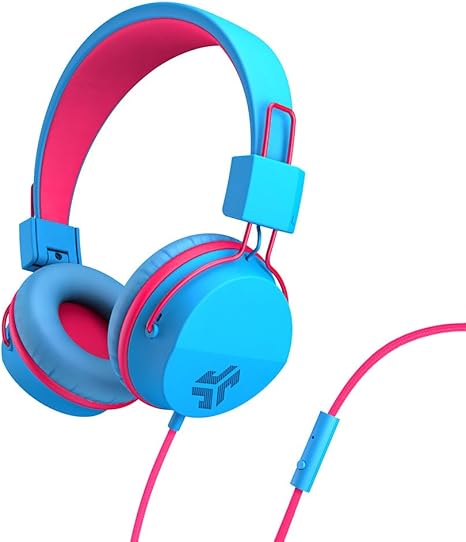
A wired over-ear model designed for comfort and long sessions.
Detailed Features & Specs:
- Wired 3.5 mm connection for broad compatibility
- Volume capped around safe thresholds for kids
- Adjustable and cushioned earcups
- Lightweight and foldable
Why it’s great:
The JBuddies Studio headphones offer easy plug-and-play use without charging and with a comfortable over-ear fit that’s excellent for study, media, or travel. They’re simple, dependable, and affordable — a great choice for everyday listening.
To buy this product, click here.
7. Onanoff BuddyPhones Cosmos+ — Advanced Noise-Canceling Option
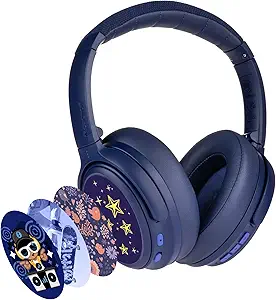
A premium feature set with flexible listening options and multiple modes.
Detailed Features & Specs:
- Active Noise Cancellation to reduce ambient sound
- Bluetooth wireless connectivity
- Multiple adjustable volume modes (e.g., 75 / 85 / 94 dB)
- Comfortable and foldable build
- Enhanced comfort for longer use
Why it’s great:
The BuddyPhones Cosmos+ offers extra control over listening levels, making them adaptable from quiet environments to louder settings. ANC also helps kids focus on content without distraction, which is especially helpful on trips or in classrooms.
To buy this product, click here.
8. PowerLocus Kids Headphones — Versatile & Budget-Friendly
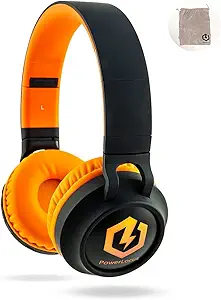
A versatile model that works wired or wireless, combining flexibility with features.
Detailed Features & Specs:
- Bluetooth wireless + optional wired connection
- Volume-limited audio for safe listening
- Built-in microphone for calls
- Foldable and lightweight for travel
Why it’s great:
This pair covers all the basics — wireless, wired, comfortable fit, and safe volume levels — at an attractive price. They’re a flexible everyday solution for school, games, and travel.
To buy this product, click here.
How to Choose the Right Headphones for Kids
Choosing the right headphones for kids comes down to four key factors: safety, comfort, usability, and durability.
Volume Limiting (Hearing Safety)
Look for headphones that cap volume at 85 dB or lower. This helps protect developing ears from long-term damage. Some models offer adjustable limits (e.g., 75/85/94 dB), which can be useful in different environments — but 85 dB is the recommended everyday maximum.
Comfort & Proper Fit
Headphones should be lightweight, adjustable, and well-padded. A proper fit ensures better sound isolation and prevents kids from turning the volume up too high. Over-ear designs are usually more comfortable for longer use, while on-ear models are lighter and more compact.
Wired vs. Wireless
- Wired: Reliable, no charging required, often more affordable.
- Wireless: Greater freedom of movement, fewer tangled cables — ideal for travel and online classes.
Choose based on your child’s age, routine, and how the headphones will be used.
Durability & Build Quality
Kids’ headphones should handle daily drops and bending. Look for flexible headbands, reinforced cables (for wired models), and foldable designs for easier storage and travel.
By focusing on these essentials, you can choose headphones that are safe, comfortable, and practical for everyday use.
Frequently Asked Questions
Are volume-limited headphones really necessary?
Yes — children’s ears are more sensitive, and limiting volume helps reduce the risk of hearing damage.
What is the safest volume level for kids?
Most experts recommend limiting sound exposure to 85 dB or lower for extended listening.
How long should kids use headphones each day?
It’s recommended to follow the 60/60 rule: no more than 60 minutes at a time at no more than 60% of maximum volume. Regular breaks help reduce ear fatigue.
Are wireless headphones safe for children?
Yes. Bluetooth headphones emit very low levels of radio frequency energy and are considered safe for everyday use.
What age are kids headphones suitable for?
Most kids headphones are designed for children ages 3 and up, but always check the manufacturer’s recommendations for sizing and safety.
Should I choose over-ear or on-ear headphones for my child?
Over-ear models generally provide better comfort and passive noise isolation, while on-ear designs are lighter and more compact for travel.
Can kids use regular adult headphones?
Adult headphones may not include volume-limiting features and are often too large for proper fit. Kid-specific models are safer and more comfortable.
Do kids headphones work with tablets and school devices?
Yes. Most models support standard 3.5 mm headphone jacks, Bluetooth connections, or both, making them compatible with tablets, laptops, and smartphones.
Is noise cancellation safe for kids?
Yes. By reducing background sound, kids often don’t need to turn up the volume as high, which supports hearing safety.
Conclusion
The best headphones for kids combine hearing protection, comfort, durability, and clear sound. Whether your child needs a simple wired pair for school, a wireless model for everyday freedom, or noise-canceling headphones for travel and focus, choosing a set with a safe volume limit, a good fit, and a kid-proof build makes all the difference.
By matching the headphones to your child’s age, routines, and listening environment — and encouraging healthy habits like moderate volume and regular breaks — you’ll help them enjoy music, learning, and entertainment with safer, more comfortable sound every day.