Guitars: A Complete Guide for Beginners and Enthusiasts
Guitars are one of the most popular and versatile musical instruments in the world. They are used in many music styles, including rock, pop, blues, jazz, and classical music. Whether you are just starting your musical journey or looking to upgrade your instrument, choosing the right guitar can make learning and playing more enjoyable.
Modern guitars come in many shapes, sizes, and designs. Some are built for beginners who want something simple and affordable, while others are designed for experienced players who need high-quality sound and advanced features. This guide covers the main types of guitars, their advantages, and who they are best suited for, helping you find the right option for your needs and budget.
1. Acoustic Guitar
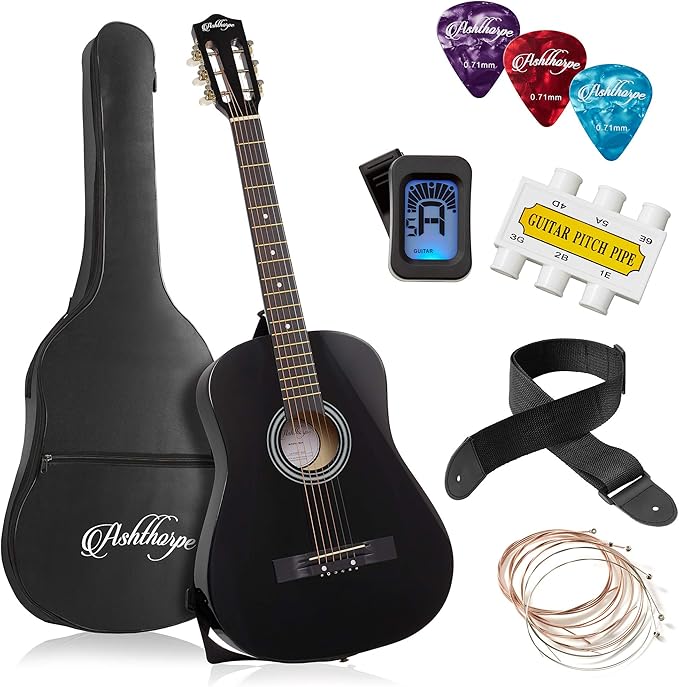
The acoustic guitar is ideal for beginners, hobbyists, and songwriters who enjoy unplugged music. It produces sound naturally through its hollow body, making it perfect for home practice, small performances, and casual playing.
Pros:
- No amplifier or cables required
- Warm and natural sound
- Simple design, easy to maintain
- Great for singing and solo performances
Cons:
- Can be harder on fingers for beginners
- Limited sound control compared to electric guitars
Acoustic guitars are commonly used in folk, pop, and country music. They are portable and reliable, making them a popular choice for players who value simplicity and convenience.
To buy this product, click here.
2. Electric Guitar
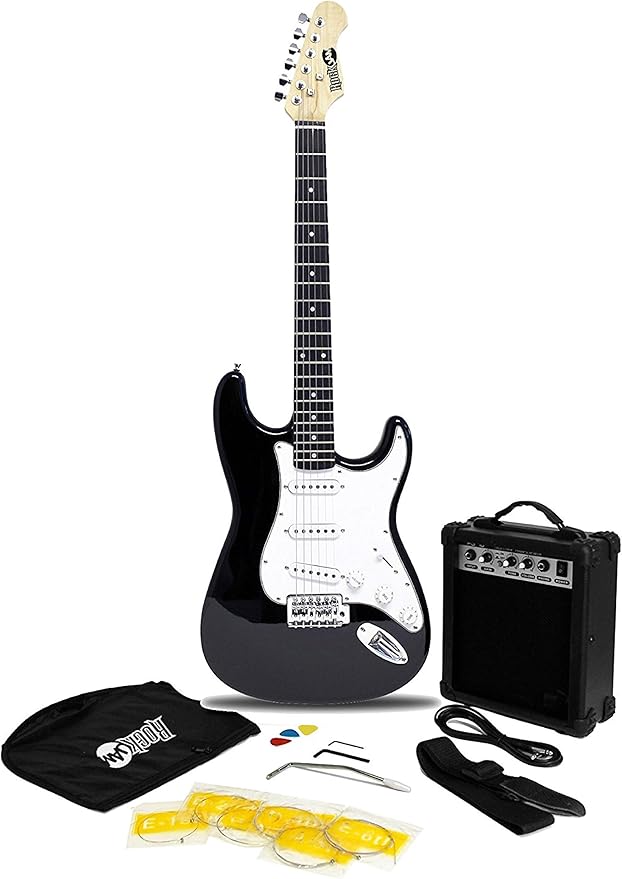
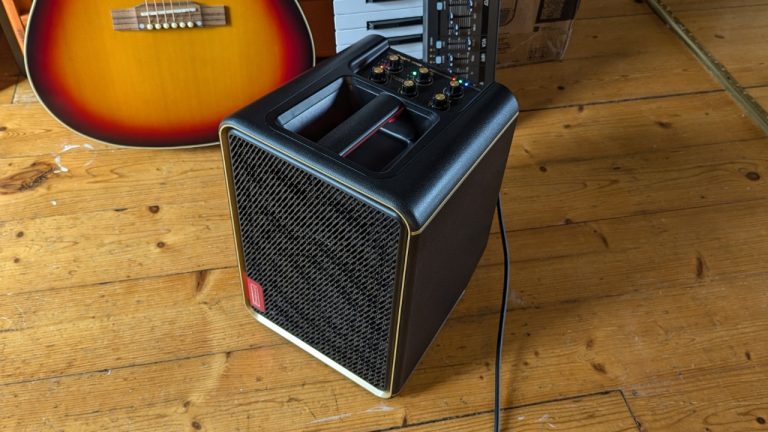
The electric guitar is ideal for rock, metal, jazz, and blues players who want a wide range of tones and sound effects. It requires an amplifier to produce sound, which allows for more control and creativity.
Pros:
- Easier to play due to lighter strings
- Wide variety of sounds and effects
- Suitable for many modern music styles
- Great for band performances
Cons:
- Requires additional equipment (amp, cables)
- Less portable than acoustic guitars
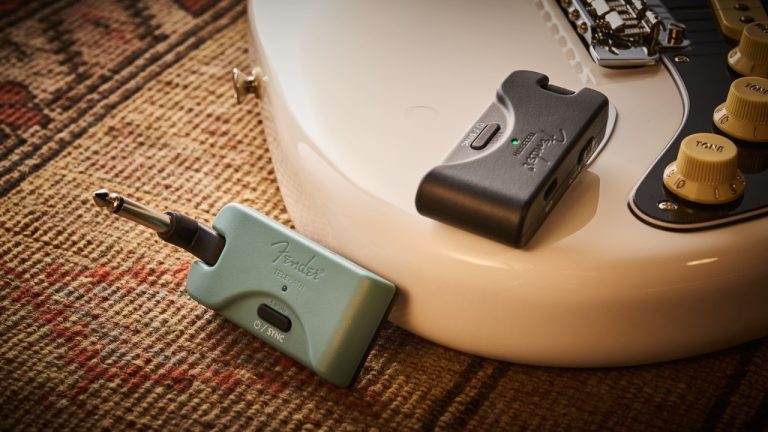
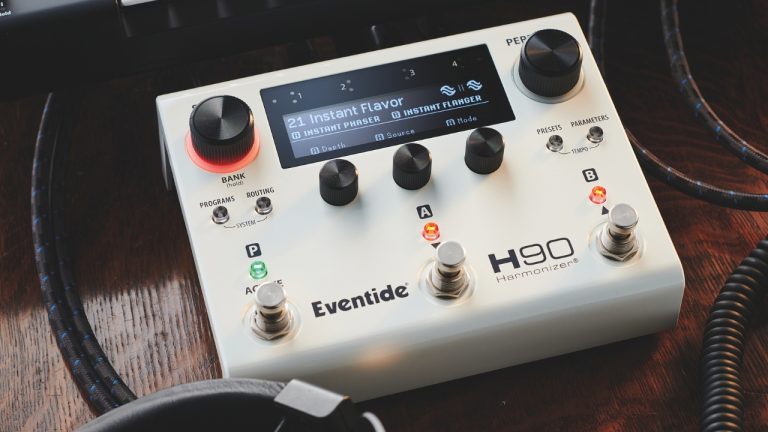
Electric guitars are popular among performers who want power and flexibility. With effects pedals and amplifiers, players can shape their sound to match their musical style.
To buy this product, click here.
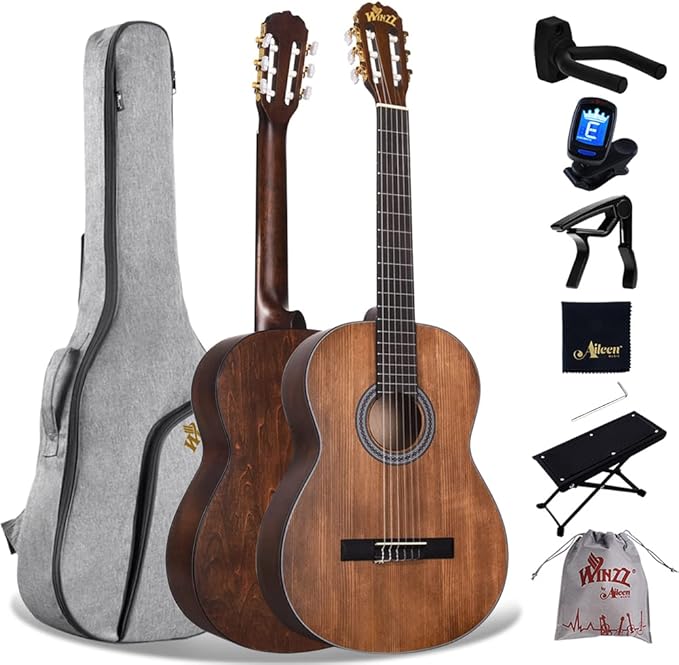
3. Classical Guitar
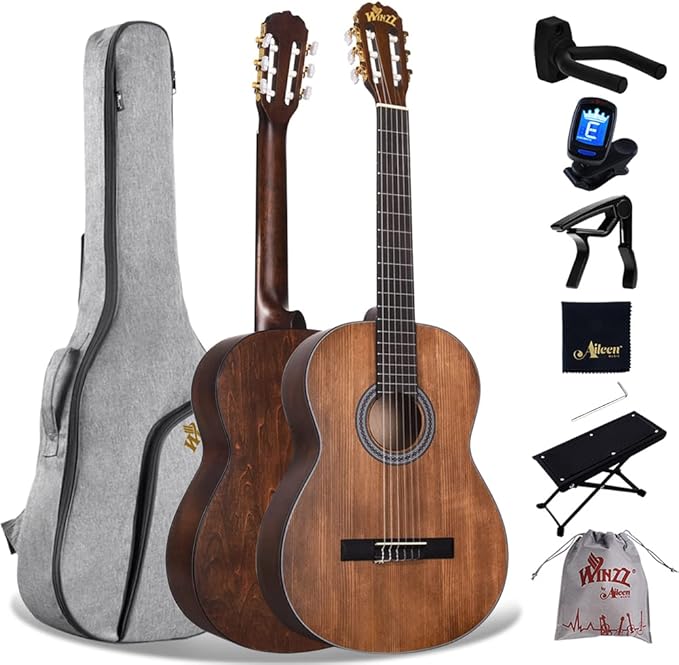
The classical guitar is ideal for beginners, students, and musicians interested in classical or Spanish-style music. It uses nylon strings, which are softer on the fingers than steel strings.
Pros:
- Comfortable strings for beginners
- Rich and smooth tone
- Excellent for fingerstyle playing
Cons:
- Not ideal for rock or metal styles
- Narrow sound range compared to electric guitars
Classical guitars are commonly used in music education and traditional performances. Their gentle sound and comfortable feel make them a great starting point for new players.
To buy this product, click here.
4. Bass Guitar
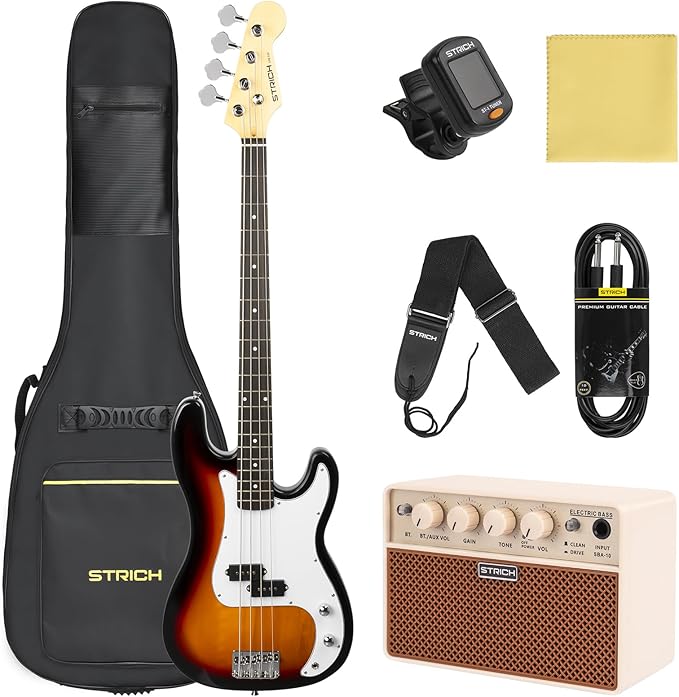
The bass guitar is designed for musicians who want to focus on rhythm and groove. It plays lower notes and is essential in bands and recording studios.
Pros:
- Key role in bands and music production
- Simple note patterns for beginners
- Strong demand for bass players
Cons:
- Not suited for melody-focused playing
- Larger size may feel bulky for some users
Bass guitars are popular in rock, funk, pop, and jazz. They help connect rhythm and harmony, making them a vital part of any music group.
To buy this product, click here.
Frequently Asked Questions
Which guitar is best for beginners?
Acoustic and classical guitars are usually best for beginners due to their simplicity and affordability.
Do I need accessories to start playing guitar?
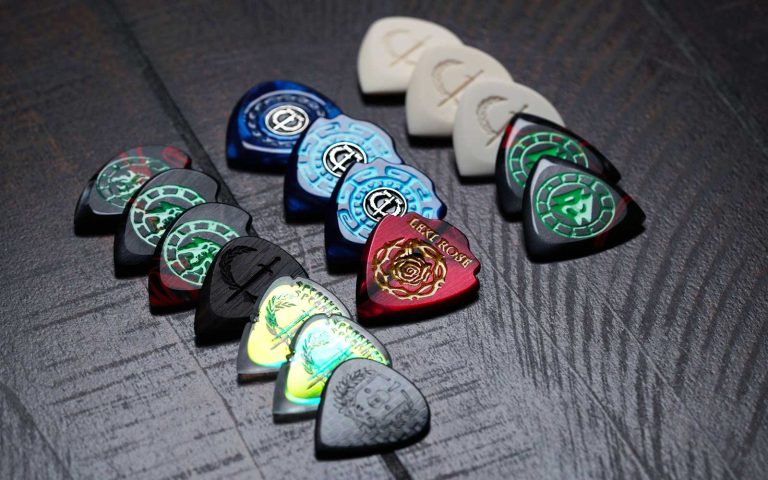
Basic accessories such as a tuner, picks, and a gig bag are recommended. Electric guitars also require an amplifier.
How much should I spend on my first guitar?
A good beginner guitar can be found at a reasonable price. Focus on comfort and build quality rather than advanced features.
Conclusion
Choosing the right guitar can make learning music easier and more enjoyable. Each type of guitar offers unique benefits depending on your goals, playing style, and experience level. Acoustic guitars are simple and portable, electric guitars offer versatility, classical guitars provide comfort, and bass guitars play a key supporting role in music.
The best guitar is the one that feels comfortable and inspires you to play more often. Take time to compare different options and choose an instrument that matches your musical interests. With regular practice and the right guitar, your musical journey can be both rewarding and fun.