Open your studio at home. Microphones for Home Studio: A Complete Guide to the Top-8 Picks for Recording, Streaming & Music Production
Tips for Arranging a Studio at Home
Creating a comfortable and functional home studio doesn’t require a large space or expensive renovations. With thoughtful arrangement and a few smart choices, you can achieve clean sound, efficient workflow, and an inspiring environment for recording and production.
Choose the Right Room
Whenever possible, select a quiet room away from street noise, appliances, and high foot traffic. Rooms with softer furnishings tend to sound better than empty, echo-prone spaces. A smaller room can work well if it’s treated properly and kept organized.
Control Sound Reflections
Bare walls and hard surfaces cause echoes and unwanted reflections. Use rugs, curtains, bookshelves, or foam panels to absorb sound. Even simple solutions like hanging thick blankets or placing a mattress against a wall can noticeably improve recording quality.
Position Your Microphone Correctly
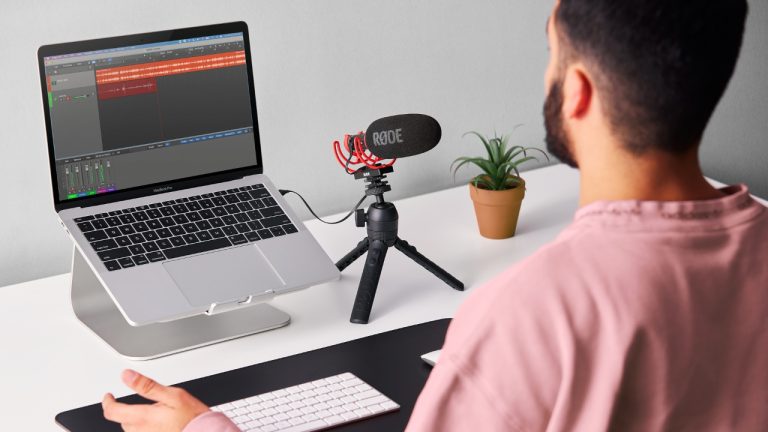
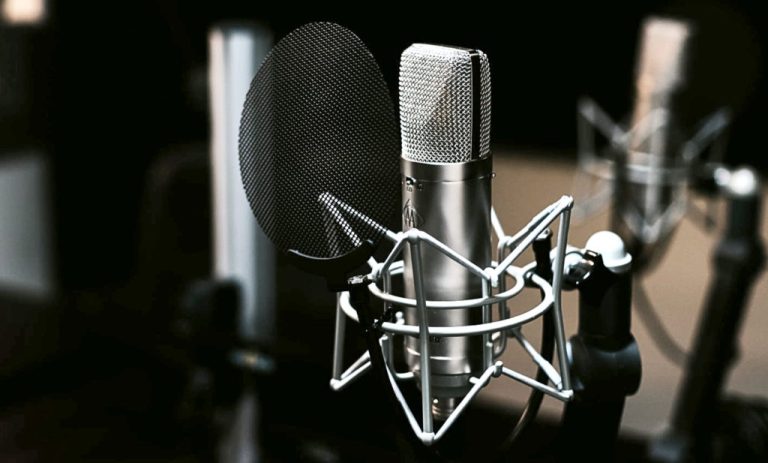
Place your microphone away from walls and corners, which tend to amplify low frequencies and room noise. For vocals, aim the mic toward the performer’s mouth while keeping a consistent distance. Using a pop filter and shock mount helps reduce plosives and vibrations.
Optimize Desk and Equipment Layout
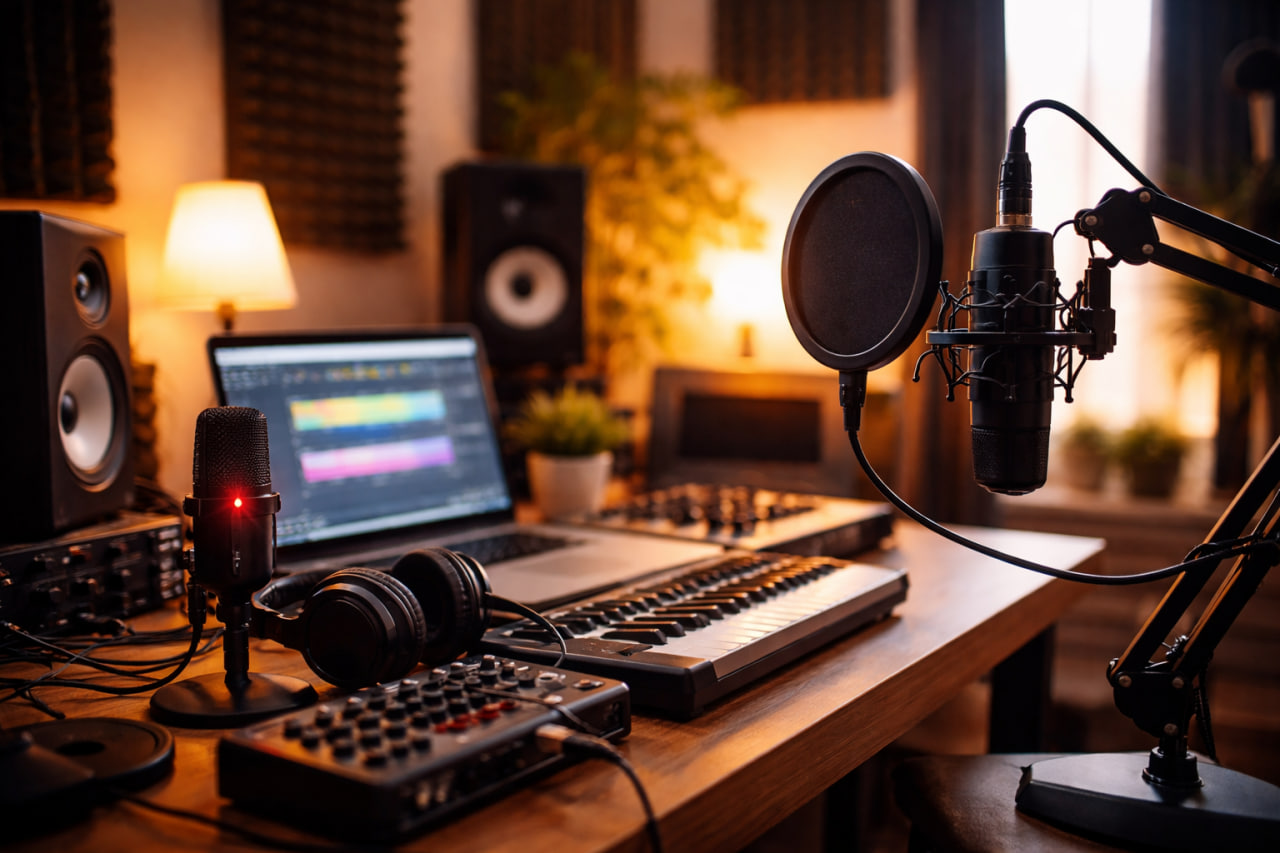
Keep your microphone, audio interface, computer, and headphones within easy reach. A clutter-free desk helps maintain focus and prevents accidental noise from cable movement or equipment bumps. Route cables neatly to avoid tangling and interference.
Manage Noise Sources
Turn off fans, air conditioners, and unnecessary electronics during recording. If your computer is noisy, position it slightly away from the microphone or use isolation methods to reduce fan noise.
Use Proper Monitoring
Headphones are essential for recording to prevent sound from leaking into the microphone. When mixing, studio monitors should be placed at ear level, forming an equal triangle between the speakers and your listening position for balanced sound perception.
Lighting and Comfort Matter
Good lighting reduces eye strain and improves focus during long sessions. Choose a comfortable chair and maintain proper posture, especially if you spend extended time recording or editing. A comfortable space encourages creativity and consistency.
Keep the Space Inspiring
Personalize your studio with items that motivate you, such as instruments, artwork, or mood lighting. An inviting environment helps maintain enthusiasm and makes regular practice or recording sessions more enjoyable.
A well-arranged home studio supports better sound quality, smoother workflow, and more enjoyable creative sessions. By balancing acoustics, organization, and comfort, you can build a space that helps you get the most out of your equipment and your performances.
Choosing the right microphone is one of the most important decisions for any home studio. The right mic doesn’t just capture sound — it defines it, whether you’re recording singing vocals, acoustic instruments, podcasts, voice-overs, or content for social platforms. Good audio captures emotion and clarity, reduces noise and room artifacts, and improves your creative workflow.
In this guide, we walk through 8 of the best microphones for home studio use — from plug-and-play USB options to professional XLR classics — so you can find the one that best matches your goals and setup.
Tips for Arranging a Studio at Home
Creating a comfortable and functional home studio doesn’t require a large space or expensive renovations. With thoughtful arrangement and a few smart choices, you can achieve clean sound, efficient workflow, and an inspiring environment for recording and production.
Choose the Right Room
Whenever possible, select a quiet room away from street noise, appliances, and high foot traffic. Rooms with softer furnishings tend to sound better than empty, echo-prone spaces. A smaller room can work well if it’s treated properly and kept organized.
Control Sound Reflections
Bare walls and hard surfaces cause echoes and unwanted reflections. Use rugs, curtains, bookshelves, or foam panels to absorb sound. Even simple solutions like hanging thick blankets or placing a mattress against a wall can noticeably improve recording quality.
Position Your Microphone Correctly
Place your microphone away from walls and corners, which tend to amplify low frequencies and room noise. For vocals, aim the mic toward the performer’s mouth while keeping a consistent distance. Using a pop filter and shock mount helps reduce plosives and vibrations.
Optimize Desk and Equipment Layout
Keep your microphone, audio interface, computer, and headphones within easy reach. A clutter-free desk helps maintain focus and prevents accidental noise from cable movement or equipment bumps. Route cables neatly to avoid tangling and interference.
Manage Noise Sources
Turn off fans, air conditioners, and unnecessary electronics during recording. If your computer is noisy, position it slightly away from the microphone or use isolation methods to reduce fan noise.
Use Proper Monitoring
Headphones are essential for recording to prevent sound from leaking into the microphone. When mixing, studio monitors should be placed at ear level, forming an equal triangle between the speakers and your listening position for balanced sound perception.
Lighting and Comfort Matter
Good lighting reduces eye strain and improves focus during long sessions. Choose a comfortable chair and maintain proper posture, especially if you spend extended time recording or editing. A comfortable space encourages creativity and consistency.
Keep the Space Inspiring
Personalize your studio with items that motivate you, such as instruments, artwork, or mood lighting. An inviting environment helps maintain enthusiasm and makes regular practice or recording sessions more enjoyable.
A well-arranged home studio supports better sound quality, smoother workflow, and more enjoyable creative sessions. By balancing acoustics, organization, and comfort, you can build a space that helps you get the most out of your equipment and your performances.
1. Rode NT-USB Mini — USB Condenser Microphone
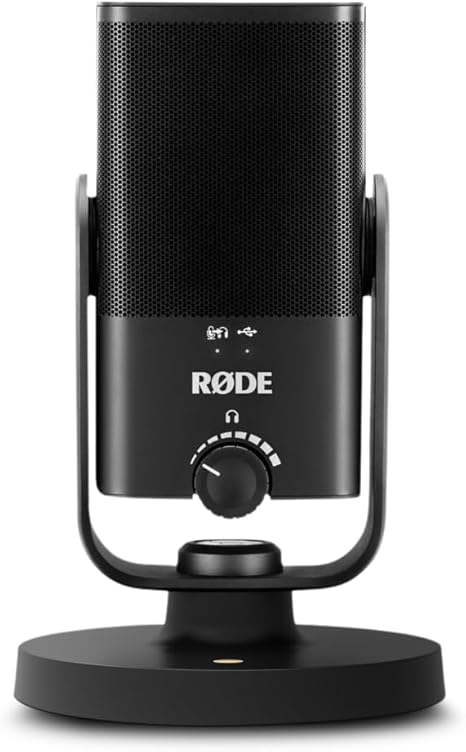
A beginner-friendly USB mic that delivers professional-quality sound with minimal setup.
Description (original):
USB microphones are ideal for beginners or creators who want great sound with minimal setup. They connect directly to your computer with no interface required, and many include built-in pop filters or monitoring output.
Detailed Features & Specs:
- USB-C plug-and-play connection (no audio interface required)
- Electret condenser microphone with cardioid pickup pattern
- 20 Hz – 20 kHz frequency response
- 24-bit / 48 kHz digital audio resolution
- Built-in pop filter to reduce plosive sounds
- 3.5 mm headphone output with zero-latency monitoring
- Compact desk stand with detachable magnetic mount
Why it’s great:
Easy to use while still delivering clear, balanced audio for vocals, podcasts, streaming, and acoustic instruments. The direct monitoring feature helps beginners hear exactly what they are recording in real time, and the compact design fits easily into small home setups.
To buy this product, click here.
2. Audio-Technica AT2020 — Classic Studio Condenser
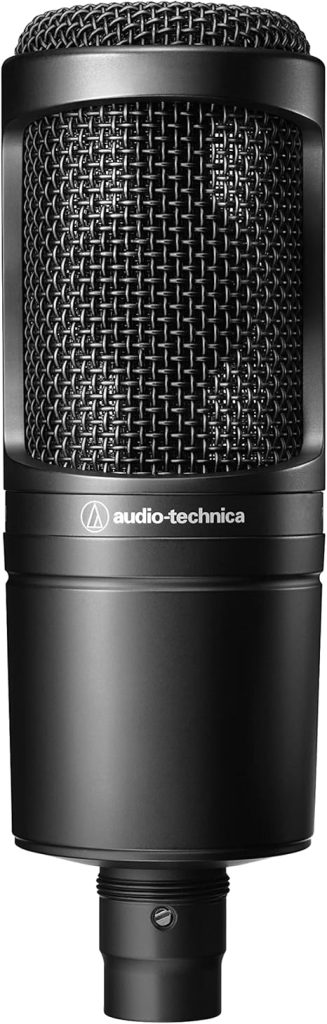
An excellent value choice for home recordings with clear, balanced sound and wide usability.
Description (existing):
The AT2020 is one of the most highly recommended entry-level studio microphones around. It delivers clear, warm sound for vocals and instruments alike.
Detailed Features & Specs:
- XLR connection (requires audio interface or preamp)
- Large-diaphragm condenser design
- Cardioid polar pattern for focused sound capture
- Wide frequency response suitable for vocals and instruments
- Low self-noise and good transient response
Why it’s great:
The AT2020 offers reliable, professional-sounding results at an affordable price. It works well for vocals, acoustic guitars, podcasts, and general studio recording, making it a strong all-purpose microphone for home studios.
To buy this product, click here.
3. Rode NT1 (Latest Generation) — High-Fidelity Condenser
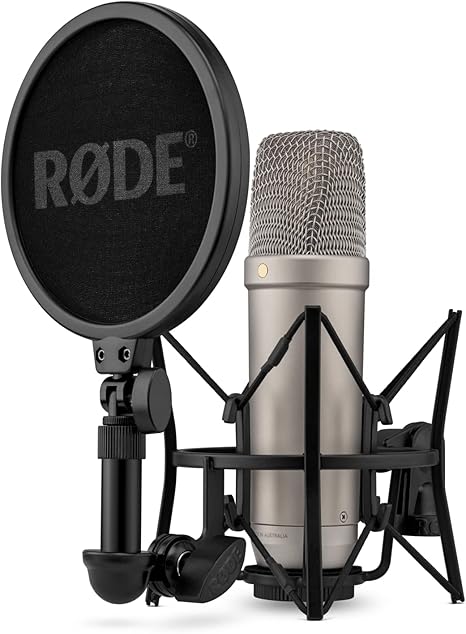
A studio-grade condenser microphone known for extremely low noise and detailed sound.
Description (existing):
The Rode NT1 is one of the top choices for home studio users, prized for its low noise and natural detail, making vocals and guitars shine.
Detailed Features & Specs:
- Large-diaphragm condenser microphone with XLR output
- Cardioid pickup pattern
- Exceptionally low self-noise for clean recordings
- High sensitivity for capturing subtle details
- Suitable for vocals, acoustic instruments, and voice-overs
Why it’s great:
This microphone excels in quiet, controlled recording environments where clarity matters. It captures nuanced performances with minimal background hiss, making it ideal for singers, voice-over artists, and acoustic musicians.
To buy this product, click here.
4. Shure SM7B — Broadcast-Style Dynamic Microphone
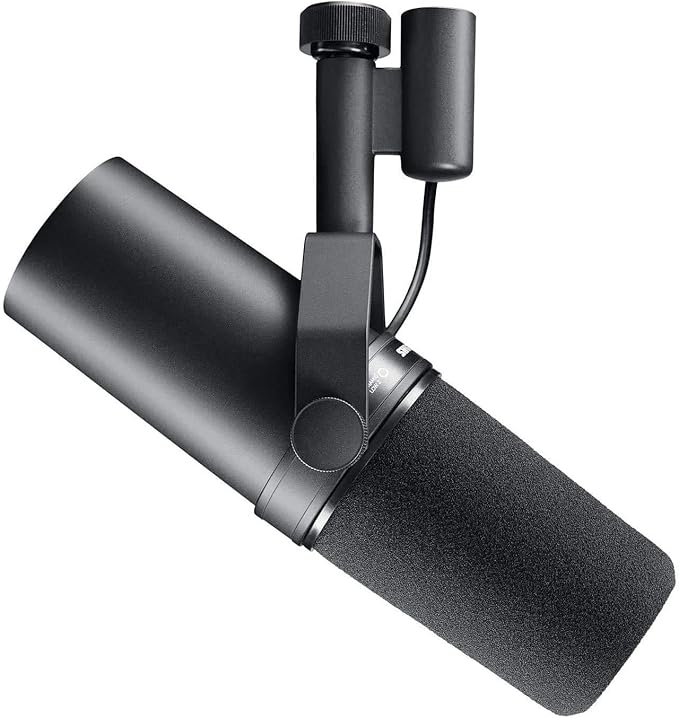
A legendary dynamic microphone favored in professional broadcast and studio environments.
Description (existing):
A studio and broadcast legend, the SM7B is a dynamic mic known for its smooth, rich vocal tone and excellent background noise rejection.
Detailed Features & Specs:
- Dynamic moving-coil microphone
- Cardioid polar pattern
- Wide frequency response tailored for vocals and speech
- Built-in pop filter and shock isolation
- XLR connection requiring a high-gain preamp or interface
Why it’s great:
The SM7B is ideal for untreated rooms because it rejects background noise better than most condensers. It delivers a smooth, controlled vocal sound that works especially well for podcasts, voice-overs, and broadcast-style vocals.
To buy this product, click here.
5. Blue Yeti — Versatile USB Microphone for All Creators
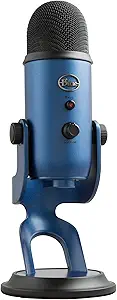
A popular USB microphone with multiple pickup patterns and simple controls.
Description (existing):
The Blue Yeti is one of the most popular USB microphones ever — loved for its simplicity, four selectable pickup patterns, and broad usefulness.
Detailed Features & Specs:
- USB plug-and-play connection
- Four pickup patterns: cardioid, omnidirectional, bidirectional, and stereo
- Built-in headphone monitoring
- Physical gain and mute controls
- Suitable for vocals, podcasts, interviews, and group recordings
Why it’s great:
The multiple pickup patterns make the Blue Yeti extremely flexible for different recording scenarios. It’s an excellent choice for users who want one microphone to handle many types of content without additional equipment.
To buy this product, click here.
6. Electro-Voice RE20 — Broadcast & Studio Classic
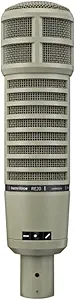
A professional dynamic microphone widely used in radio and studio environments.
Description (existing):
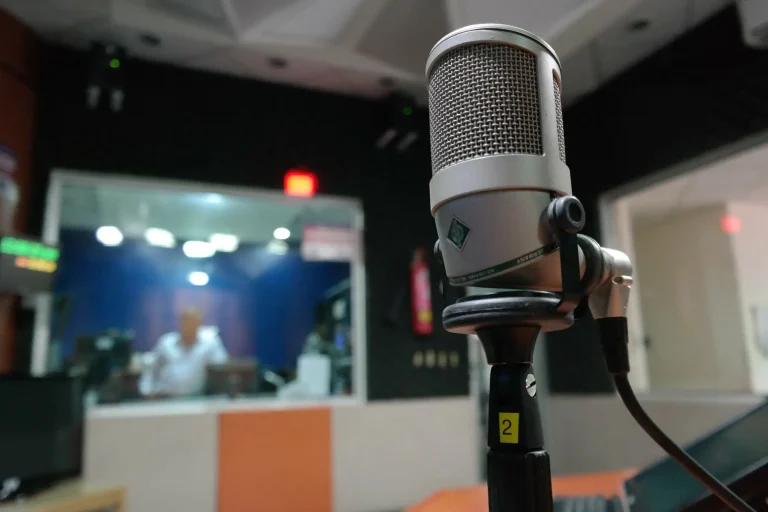
A staple in radio and broadcast studios, the RE20 excels at capturing clear, detailed spoken vocals and strong presence on instruments.
Detailed Features & Specs:
- Dynamic moving-coil microphone
- Cardioid polar pattern
- Variable-D technology to reduce proximity effect
- Smooth, consistent tone at different distances
- XLR connection
Why it’s great:
The RE20 maintains a consistent sound even if the speaker moves closer or farther from the mic. This makes it especially reliable for spoken word, podcasts, and broadcast applications in less-than-perfect rooms.
To buy this product, click here.
7. Shure SM57 — Legendary Workhorse for Instruments
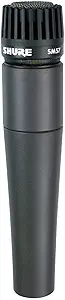
A durable and versatile dynamic microphone used in countless studios worldwide.
Description (existing):
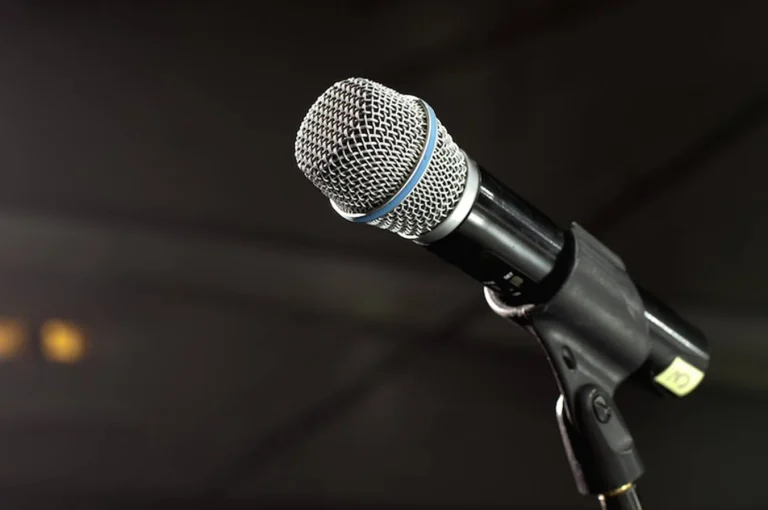
A rock-solid dynamic microphone that’s been part of studios for decades, the SM57 works on everything from snare drums and guitar amps to vocals.
Detailed Features & Specs:
- Cardioid dynamic microphone
- XLR connection
- Tailored frequency response for instruments
- Extremely rugged construction
- Handles high sound pressure levels with ease
Why it’s great:
The SM57 is a dependable choice for recording guitar amplifiers, drums, and other loud instruments. Its durability and versatility make it a staple in both home and professional studios.
To buy this product, click here.
8. HyperX QuadCast — USB Microphone for Streaming & Recording
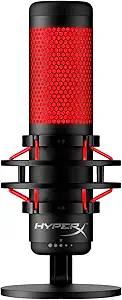
A modern USB microphone designed for ease of use and flexible recording.
Description (existing):
Combining USB simplicity with features like gain control and selectable patterns — plus a stylish design — the QuadCast is a great beginner-friendly mic.
Detailed Features & Specs:
- USB plug-and-play connection
- Multiple polar patterns for different recording needs
- Built-in shock mount to reduce vibration noise
- Tap-to-mute sensor and onboard gain control
- Headphone monitoring support
Why it’s great:
The QuadCast is well-suited for podcasters, streamers, and content creators who want straightforward setup and modern controls. It provides good sound quality without requiring additional gear.
To buy this product, click here.
How to Choose the Right Microphone for Your Home Studio?
Start by deciding between USB and XLR microphones. USB models are simple and convenient, while XLR microphones paired with an audio interface offer greater control and upgrade potential.
Consider your primary use case. Vocals and voice-overs often benefit from cardioid microphones, while multi-pattern mics are useful for interviews or group recordings.
Room acoustics also matter. Dynamic microphones tend to reject room noise better, while condensers capture more detail but are more sensitive to the environment.
Frequently Asked Questions
What’s the best microphone for a beginner home studio?
USB condenser mics like the Rode NT-USB Mini or Blue Yeti are perfect first choices.
Do I need an audio interface?
For USB mics — no. For XLR models (AT2020, NT1, SM7B), an interface greatly improves sound quality.
Which mic records vocals best?
Large-diaphragm condensers like the Rode NT1 capture vocals with great clarity and detail.
Conclusion
Whether you’re recording vocals, producing music, hosting a podcast, or creating online content, the right microphone can significantly improve your results. From plug-and-play USB microphones to professional XLR studio classics, these eight options cover a wide range of needs and budgets.
Choosing a microphone that matches your goals, recording space, and workflow will help you achieve cleaner, more professional-sounding recordings in your home studio.