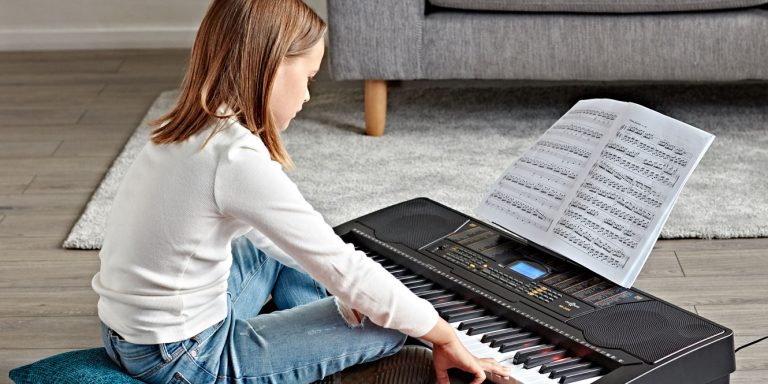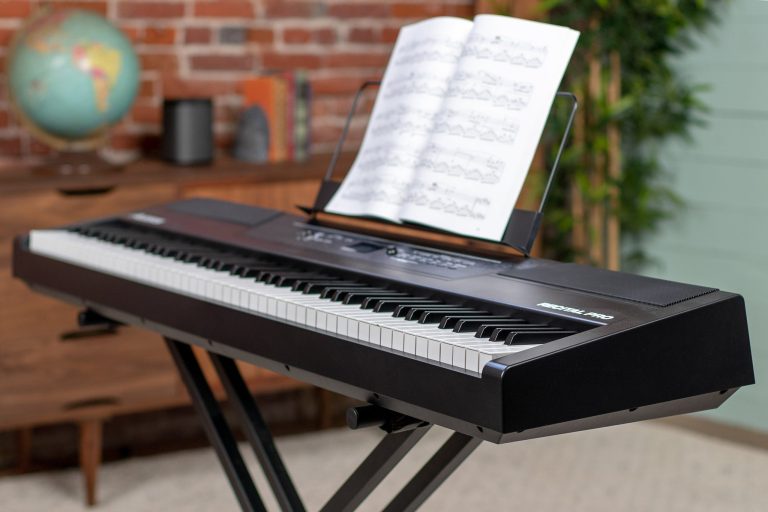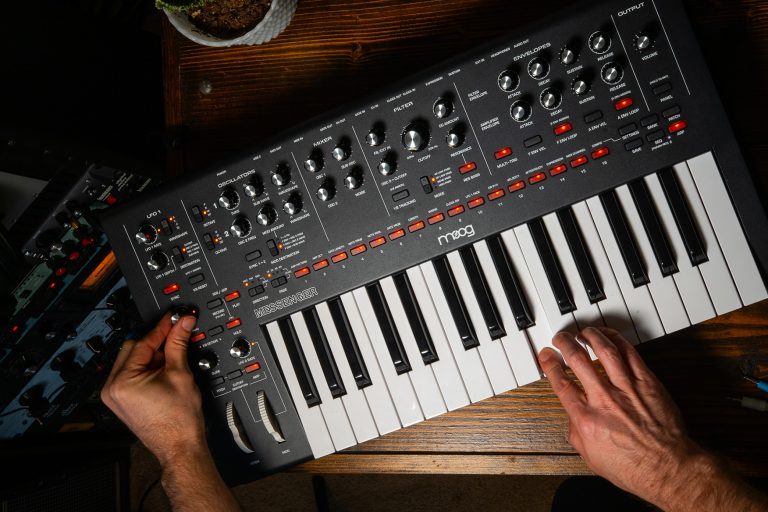
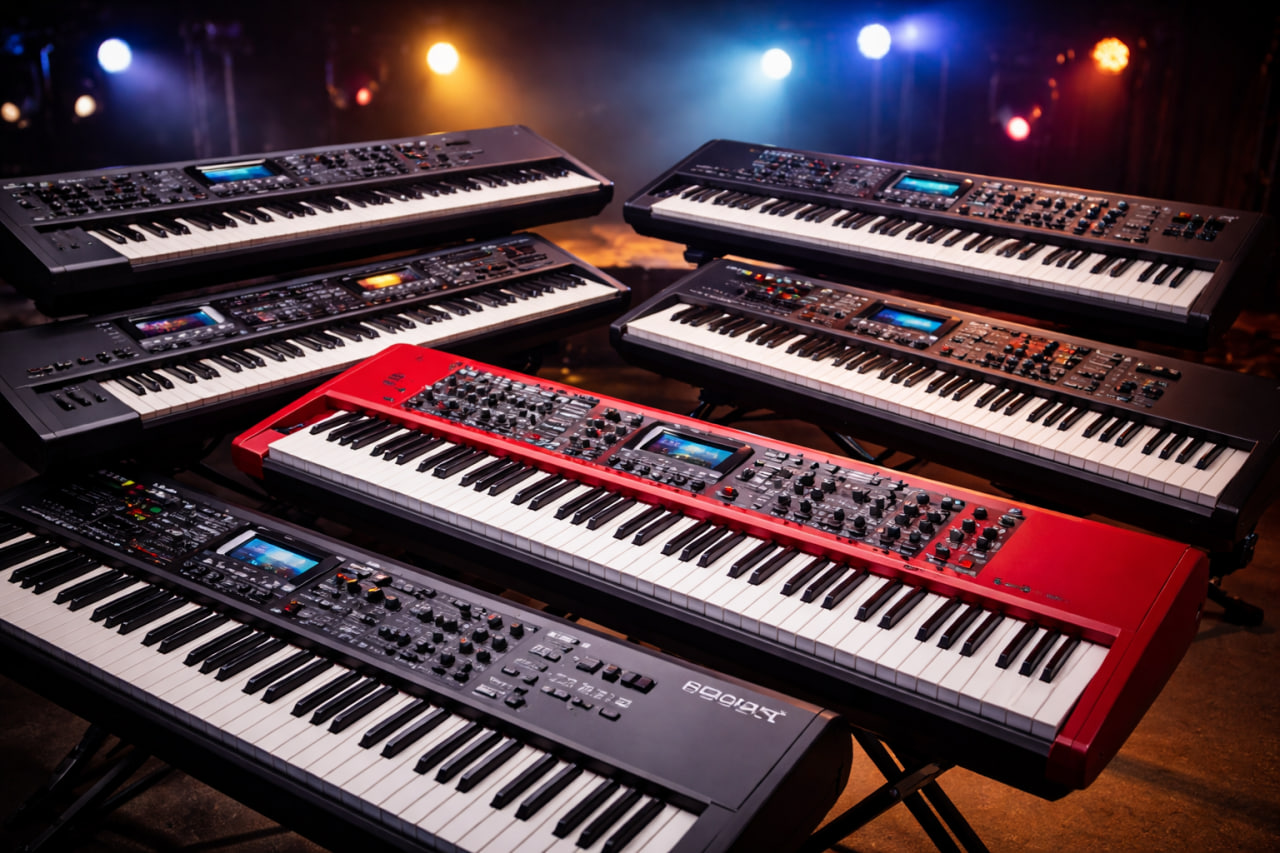
Professional Keyboards: A Complete Guide to the Top-8 Models for Serious Players
Professional keyboards are the heart of modern live rigs and studio setups—covering everything from realistic acoustic piano feel to deep synthesis, sequencing, and hands-on control. Today’s flagship stage pianos and workstations are faster, more expressive, and more performance-friendly than ever, with better keybeds, smarter workflows, and wider sonic range.
Whether you’re playing gigs every weekend, producing daily, or building a “one keyboard does it all” setup, the right professional instrument can make your playing feel effortless—and your sound instantly more convincing.
Helping Players Perform Better (Not Harder): Useful Tips
Start with the right keybed. If piano is your main voice, prioritize a premium hammer-action keybed. If you split between synth/organ parts and quick leads, consider a lighter action—or a stage keyboard that offers dedicated organ/synth control.
Decide: stage-first or studio-first. Stage-focused boards emphasize fast switching, splits/layers, and tactile control. Workstations emphasize deep sound design, sequencing, sampling, and production routing.
Don’t overbuy complexity. If you mostly need great pianos, EPs, and organs, a stage piano/stage keyboard will often feel better (and be quicker) than a full workstation.
Plan your connectivity. If you run backing tracks, DAWs, or soft synths, look for strong USB audio/MIDI integration and performance-oriented routing. (Flagships like Roland’s FANTOM EX line are designed with this in mind.)
Main Advantages of Professional Keyboards
Better feel and expression. Higher-end actions, aftertouch options, and better response curves make dynamics easier and reduce fatigue.
Gig-ready workflow. Seamless program changes, set lists, splits/layers, and dedicated performance controls help you stay musical under pressure.
More convincing core sounds. Flagship pianos, EPs, organs, and synth engines generally sound richer and sit in a mix more naturally.
Longevity. A good professional keyboard can stay in your rig for years—especially when supported with updates, expansions, and sound libraries.
Top-8 Professional Keyboards Worth Considering — From Stage Essentials to Flagship Workstations
1. Nord Stage 4 (73 Compact)
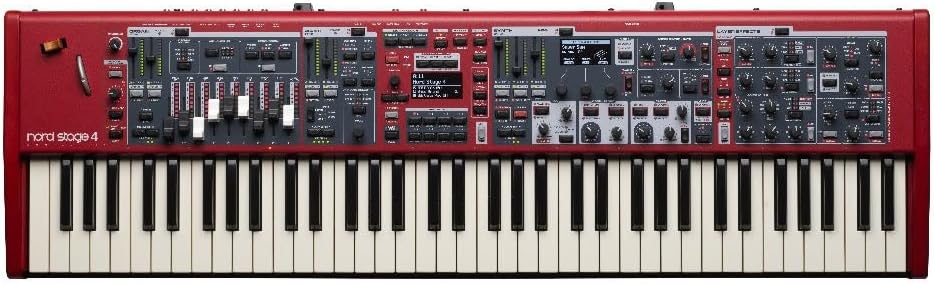
The Nord Stage 4 is a modern “do-it-all” stage keyboard built for performance: piano + organ + synth sections, quick layering, and a layout that’s designed to be played live without menu-diving.
Pros:
- Excellent live workflow (splits/layers/scenes)
- Strong piano + organ performance focus
- Premium keybed options and iconic stage usability
Cons:
- Premium pricing
- Not a “deep workstation” in the traditional sense
If you’re gigging and want immediate control with top-tier stage sounds, this is a classic pro choice.
The Stage 4 is built around fast performance changes: Nord’s Layer Scene concept lets you switch between two complete layer setups at the press of a button—great for jumping between verse/chorus textures without audio dropouts or frantic knob moves.
The redesigned panel adds dedicated LED faders per layer, so you can see and balance levels immediately in bright stage lighting.
Keybed options are also clearly differentiated: the 88 and 73 models use Triple Sensor hammer action with aftertouch, while the Compact uses a Triple Sensor semi-weighted waterfall action (typically preferred by players who do lots of organ techniques and synth leads).
A big practical advantage is the “hands-on first” philosophy: you get quick sound shaping and performance control without deep menu navigation—ideal for cover bands, worship, pop/rock gigs, and theater pits where speed matters.
To buy this product, click here.
2. Yamaha MONTAGE M (M8x)
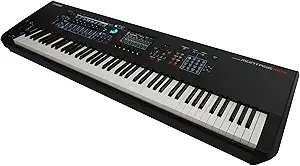
Yamaha’s MONTAGE M series is a flagship synth platform aimed at modern sound design and expressive performance—with multiple engines for wide tonal variety.
Pros:
- Multiple synthesis engines for broad sound design (including FM and virtual analog)
- Powerful performance controls and modern integration
- Great option for pros who want “future-proof” synthesis depth
Cons:
- Workflow can feel deep if you only need straightforward stage piano duties
- Costs rise quickly at the top-tier models
Ideal for producers and performers who want a modern flagship synthesis platform with serious expressiveness.
MONTAGE M is built around three synthesis approaches: AWM2 (sample-based), FM-X (8-operator FM), and the newer AN-X virtual analog engine (three oscillators + noise), all unified by Yamaha’s Motion Control concept for evolving, expressive sounds.
A major highlight is the “improved AWM2,” which Yamaha positions as higher-detail and smoother for realistic, “nameable” instruments (pianos, strings, etc.), and it supports up to 128 Elements per Part for complex layering.
If you’re touring or commuting with your board, Yamaha’s published weights are worth noting: the M8x is significantly heavier than the M6/M7 (the 88-key model is listed at 28.1 kg on Yamaha Europe’s spec page).
Bottom line: this is a strong fit for players who want cutting modern synth tones, detailed acoustic layers, and a flagship platform that can cover both performance and production roles.
To buy this product, click here.
3. Roland FANTOM EX (7)
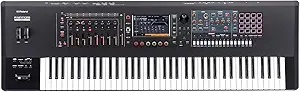
The Roland FANTOM EX ecosystem builds on the flagship FANTOM workstation concept with added instruments/expansions and updated capabilities aimed at modern workflows.
Pros:
- Strong workstation core for stage + studio
- Major expansion path (including new instruments and upgrades)
- Designed to integrate cleanly into computer-based setups
Cons:
- Deep platform—may be more than you need if you only want piano/EP
- Best value comes when you actually use the workstation power
A serious “command center” keyboard for pros who want one board to anchor a full rig.
FANTOM EX is marketed around an unusually broad set of Roland sound engines in one hardware platform, including ACB, ZEN-Core, V-Piano, SuperNATURAL, and others—meaning you can cover analog-style synth behavior, modern sample-based sounds, and modeled pianos in a single instrument.
Where it really separates itself for many pros is computer integration: Roland highlights a built-in 16×3 USB audio/MIDI interface and dedicated DAW control workflows, letting you route DAW audio through FANTOM effects and blend soft synths with onboard sounds in a single performance setup.
This is an ideal fit if you run hybrid rigs (hardware + laptop), need workstation sequencing/sampling tools, or want one flagship board to run an entire show.
To buy this product, click here.
4. Korg KRONOS 3
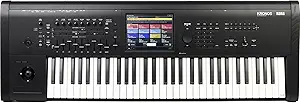
KRONOS is a legendary workstation line, and KRONOS 3 continues the concept with an updated platform and flagship approach many touring players rely on.
Pros:
- Flagship workstation ecosystem with deep capability
- Strong performance + production toolset
- Ongoing system/software support noted by Korg
Cons:
- Heavier learning curve than pure stage boards
- Overkill if you only need core piano sounds
A top pick for players who want a workstation with a long-running pro workflow and deep sound architecture.
One reason KRONOS has stayed a standard is the nine-engine architecture—Korg lists dedicated engines for premium acoustic piano (SGX-2), electric piano (EP-1), tonewheel organ modeling (CX-3), multiple synth approaches (HD-1, AL-1), plus physical modeling and classic modeled analog options.
Korg also publishes per-engine polyphony figures (for example, SGX-2 at 100 voices, EP-1 at 104, CX-3 up to 200, etc.), which matters in real-world combis where you stack multiple timbres and effects.
In practice, KRONOS is best for players who want deep combis/splits, detailed sound architecture, and an all-in-one workstation workflow for both live and studio use.
To buy this product, click here.
5. Kurzweil K2700
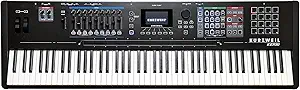
Kurzweil’s K2700 is built for advanced programming and pro performance, featuring the Dynamic VAST engine and a pro feature set aimed at power users.
Pros:
- Dynamic VAST architecture for deep sound design
- Strong polyphony and pro feature set
- Great for composers/players who customize everything
Cons:
- Not the simplest “plug-and-play” experience
- Best for users who will actually explore its depth
If you love building your own sounds and setups—and want a pro instrument that rewards mastery—this is a standout.
Kurzweil lists 256-voice polyphony, 16-part multitimbrality, and the Dynamic VAST architecture as the core of the K2700’s power—this is a workstation designed for stacking layers, routing DSP creatively, and building complex performance patches without running out of headroom quickly.
A signature feature is Cascade Mode, which allows routing one layer through another layer’s DSP (Kurzweil describes up to 32 layers deep), making it a sound designer’s playground for evolving textures and custom instruments.
It also includes multiple synthesis modes alongside VAST—Kurzweil highlights KB3 organ, a 6-operator FM engine, and virtual analog oscillators—so it’s not “one flavor” of synthesis.
This is a great fit for composers, film/game scoring workflows, prog players, and anyone who wants maximum programmability in a single hardware instrument.
To buy this product, click here.
6. Yamaha CP88
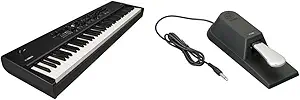
The Yamaha CP88 is a stage piano designed around authentic piano feel and immediate hands-on control, with a performance-first layout.
Pros:
- Piano-first stage design with strong performance controls
- Excellent action and stage-friendly layout
- Clean, pro-focused sound set for live use
Cons:
- Not meant to be a full workstation
- If you need deep synthesis, look elsewhere
Perfect for gigging pianists who want a no-nonsense professional stage piano that feels “right” immediately.
Yamaha specifies the CP88 uses the NW-GH3 Natural Wood Graded Hammer action with synthetic ebony/ivory keytops—this is aimed squarely at pianists who care about nuance and long-session comfort.
On the sound side, Yamaha lists AWM2 tone generation with 128-note polyphony, plus a curated voice set (piano/e-piano/sub categories) and a substantial Live Set memory for quick recall.
If you run FOH regularly, CP88’s stage-friendly spec sheet includes balanced output options on many retail listings, and it’s designed to be a practical “plug in and play the gig” board rather than a deep workstation.
To buy this product, click here.
7. Roland RD-2000
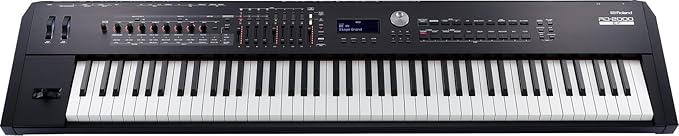
The RD-2000 is a stage piano built around a premium keybed and a performance-oriented design, making it a common centerpiece for live rigs.
Pros:
- Pro keybed designed for serious playing
- Two sound engines for broad stage coverage
- Great control surface for live performance and external gear
Cons:
- Not the newest design in the market
- Can be more board than you need for basic gigs
A reliable, stage-proven choice for players who want expressive piano plus strong live control.
Roland’s own specs list the RD-2000’s PHA-50 hybrid wood/plastic action with escapement and ebony/ivory feel, aimed at premium piano realism in a road-ready chassis.
A defining feature is the dual-engine design: one engine is V-Piano modeling (with full polyphony), while the second engine is SuperNATURAL (128-voice polyphony) covering pianos/EPs/organs/PCM-based sounds—so you get both modeled realism and broad palette coverage.
For players using external gear, the RD series is known as a controller hub; Roland’s RD-2000 EX materials highlight zones and scene-based recall for complex setups (and the RD-2000 family is often used exactly this way on stage).
If you want a “playable piano first” that also controls the rest of your rig cleanly, it’s still a very practical pro pick.
To buy this product, click here.
8. Kawai MP11SE
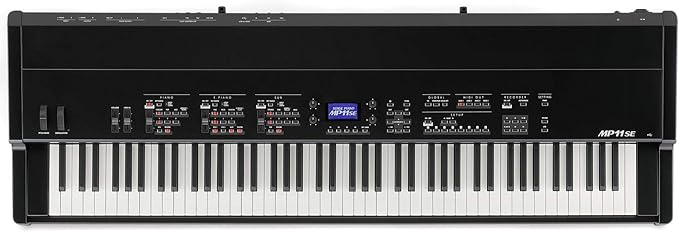
The MP11SE is built for players who prioritize authentic piano touch, using wooden keys and a grand-piano-inspired action design aimed at serious pianists.
Pros:
- Piano-focused action with wooden keys for realism
- Strong acoustic piano sampling approach
- Excellent for expressive, dynamic playing
Cons:
- Heavier, piano-centric design (less “workstation” versatility)
- Best for pianists first, sound designers second
If “feel” is your top priority and you want a stage instrument that plays like a serious piano, this is a strong contender.
Kawai’s specs emphasize the Grand Feel action with 88 wooden keys, triple-sensor detection, let-off simulation, counterweights, and Ivory Touch surfaces—features specifically aimed at acoustic-piano realism and control at very soft dynamics.
On the sound side, Kawai lists Harmonic Imaging XL (HI-XL) as the piano sound approach for the MP11SE line, which is part of why this model is frequently chosen for players who want expressive piano tone without a computer.
This is typically best for studio pianists, jazz players, theater pits, and any stage situation where piano feel is non-negotiable—and you’re okay prioritizing that over workstation-style synthesis depth.
To buy this product, click here.
How to Choose the Right Professional Keyboard
Start with your main job.
Mostly piano/EP gigs → stage piano (CP88, RD-2000, MP11SE)
Cover-band “everything” setups → stage keyboard (Nord Stage 4)
Production + sound design + sequencing → workstation/flagship synth (MONTAGE M, FANTOM EX, KRONOS 3, K2700)
Then match the action to your technique. Pianists tend to prefer premium hammer actions; synth-heavy players may prefer lighter actions for speed.
Finally, consider your workflow tolerance. If you want instant results, pick a performance-first board. If you love building complex setups, a deep workstation will pay off.
Frequently Asked Questions
Are professional keyboards worth it for non-pros?
Yes—if you’ll benefit from better key feel, better core sounds, and faster performance workflow.
Stage piano or workstation?
Stage pianos prioritize authentic feel and immediate playability; workstations prioritize deep sound creation and production features.
Do I need aftertouch?
If you use expressive synth parts or want hands-on control without pedals/knobs, aftertouch can be a big advantage on flagship synth platforms.
Conclusion
Professional keyboards are about more than “more sounds”—they’re about better feel, faster control, stronger reliability, and an instrument that stays inspiring night after night. Whether you want a piano-first stage companion, a live-performance centerpiece, or a studio-grade flagship workstation, the best choice is the one that matches your playing style, your workflow, and the music you actually make.